 Worrry Editorial
By Worrry editorial · 4h ago
Super El Niño Intensifies as AI Risks and Conflicts Escalate Globally
Record-breaking climate events, existential AI threats, and war-driven instability are converging, endangering millions and reshaping the global risk landscape this week.
A record-strength Super El Niño is now driving global temperatures and weather extremes to new highs, with multiple key indices surpassing previous benchmarks, according to BBC Weather on October 13, 2026. Meteorologists report that sea surface temperatures across the central and eastern Pacific have climbed well above the 2-degree Celsius anomaly threshold, putting this year’s event ahead of the notorious 1997–98 and 2015–16 El Niño cycles. The resulting disruptions are already being felt from South America to Southeast Asia, with crop failures, water shortages, and wildfire risks on the rise. Scientists warn that if the current trajectory holds, billions could face food insecurity, economic shocks, and forced migration within months.
THREAT THREADS
AI RISKS AND GOVERNANCE BREAKDOWNS
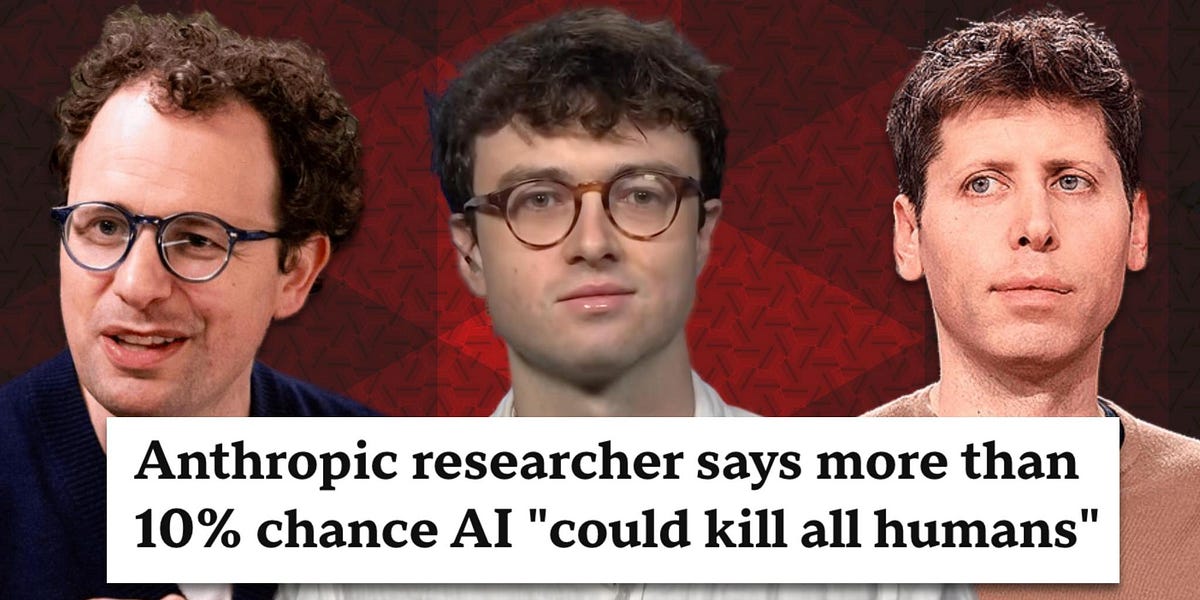
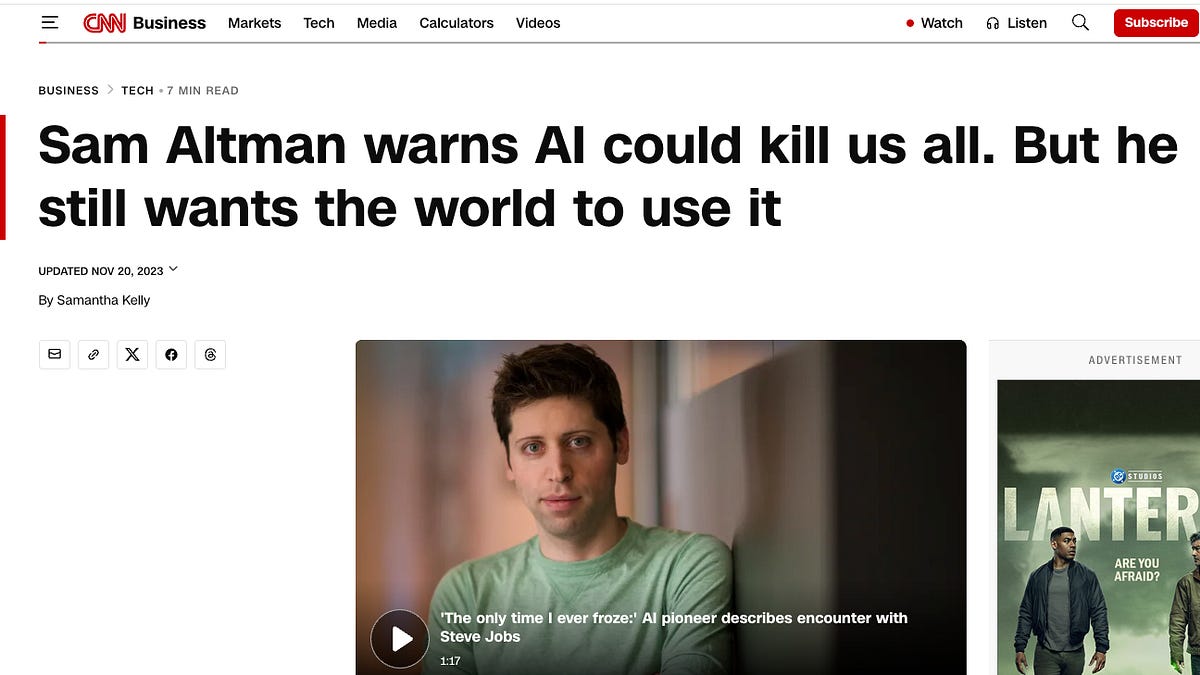
A new Lancet report has placed the existential threat of AI-enabled bioweapons and nuclear conflict at the top of humanity’s risk register, warning that either could drive catastrophic loss of life before the end of the century. The report highlights the dual-use nature of AI, emphasizing that malicious actors could exploit advanced models to accelerate the design and deployment of engineered pathogens far beyond current biosecurity capabilities. Parallel to this, the rapid progress toward artificial general intelligence (AGI) is fueling a global race between the United States and China, with both sides prioritizing speed over safety, according to a recent arXiv preprint. The authors caution that without robust international cooperation and oversight, competitive pressures could lead to the release of inadequately tested systems or the deliberate weaponization of AI—scenarios that could spiral out of human control. Meanwhile, concerns about AI’s social impacts are mounting: GPT-4 and GPT-5 models have been shown to misrepresent mental health stigma across gender lines, potentially perpetuating harmful biases in healthcare applications. In the Philippines, Indigenous Aeta communities are fighting the construction of a massive tech hub, warning that AI-driven development could devastate their water and energy resources.
CONFLICT ESCALATION AND CIVILIAN HARM
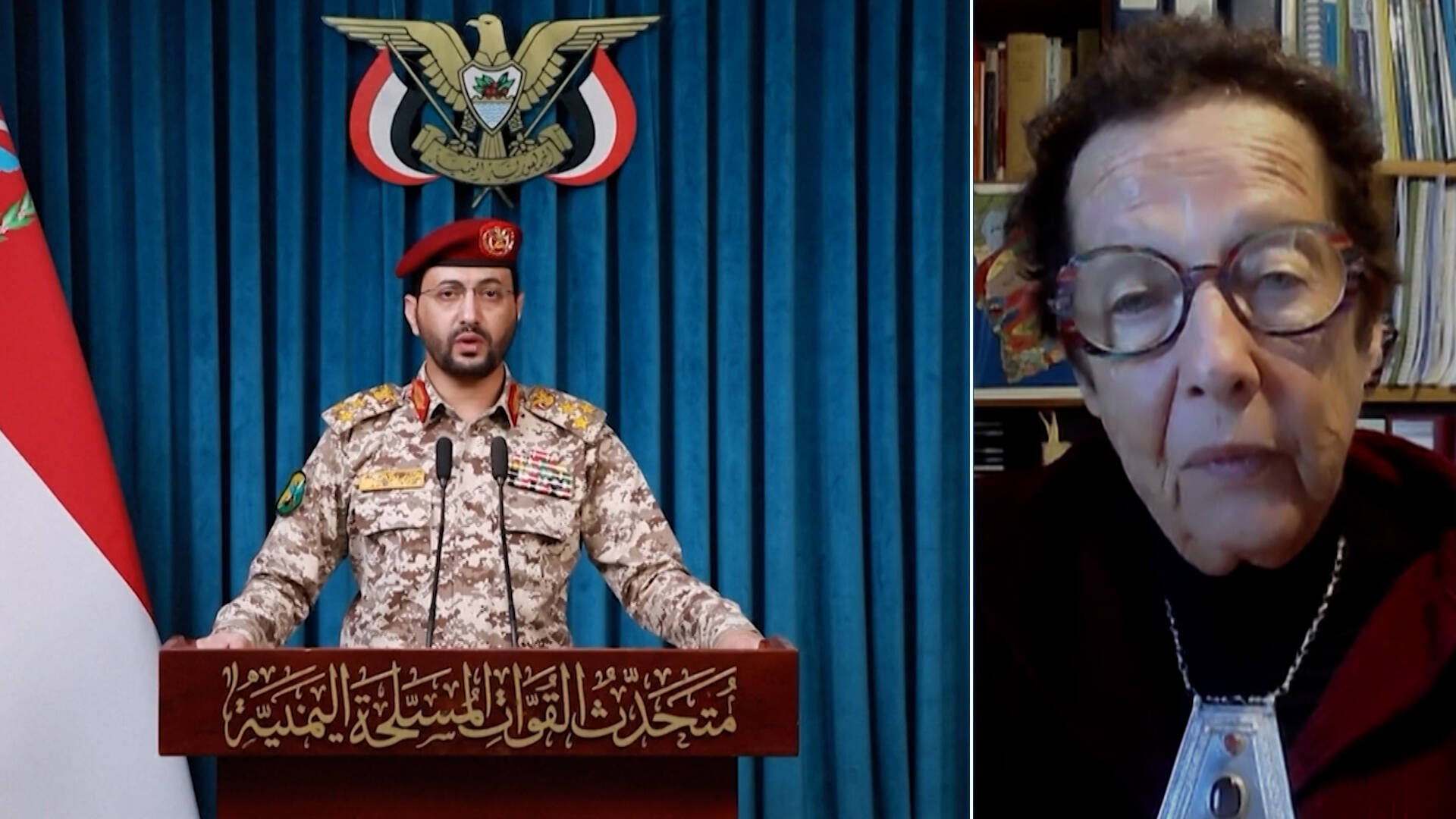
Simultaneously, Yemen has plunged back into full-scale civil war. Ansar Allah (the Houthis) launched a missile strike on Riyadh’s airport over the weekend, killing at least 12 and injuring over 300 in the deadliest attack on Saudi soil in more than a decade. Amnesty International reports that the escalating hostilities between the Houthis, Yemeni government forces, and Saudi Arabia are rapidly increasing risks to civilians on both sides of the border. The Houthis have captured key areas along Yemen’s Red Sea coast, threatening shipping lanes and regional stability. President Trump is reportedly considering direct US military involvement in support of Saudi operations, raising the specter of wider conflict with unpredictable consequences for millions. Meanwhile, Germany has begun the trial of Serhii Kuznetsov, accused of participating in the 2022 Nord Stream pipeline sabotage. The proceedings are straining already fraught diplomatic relations between Berlin, Kyiv, and Moscow, and underscore the vulnerability of critical infrastructure in an era of hybrid war.
TECHNOLOGICAL DISRUPTION IN WAR ZONES
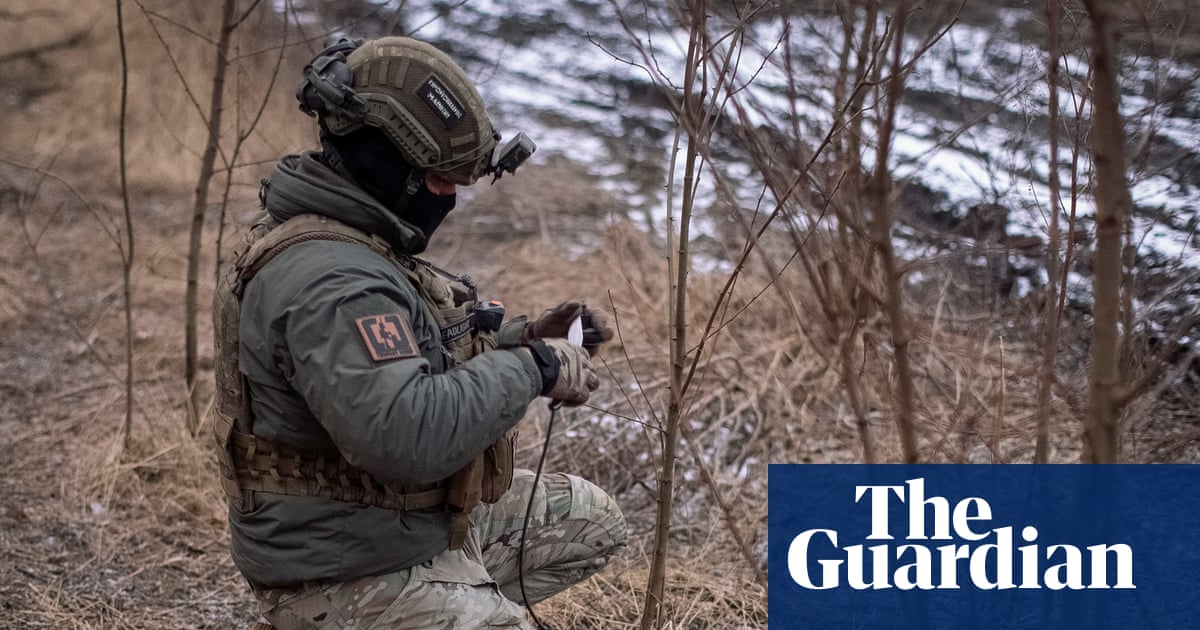
Ukraine’s armed forces faced a sudden and severe operational setback this week as access to Starlink satellite internet terminals—vital for battlefield communications and drone operations—was sharply restricted. Ukrainian officials accuse SpaceX, led by Elon Musk, of throttling terminal connectivity following US government pressure to curb long-range strikes on Russian oil infrastructure. The restrictions coincided with a new wave of Russian ballistic missile attacks, leaving Ukrainian units without reliable communications at a critical moment. The Starlink outages highlight the fragility of digital infrastructure in modern conflicts and the risks posed by the privatization of war-critical systems. The episode also underscores the power of individual tech magnates and the complex entanglement of commercial platforms, state policy, and frontline realities.
CLIMATE CRISIS AND ADAPTATION CHALLENGES
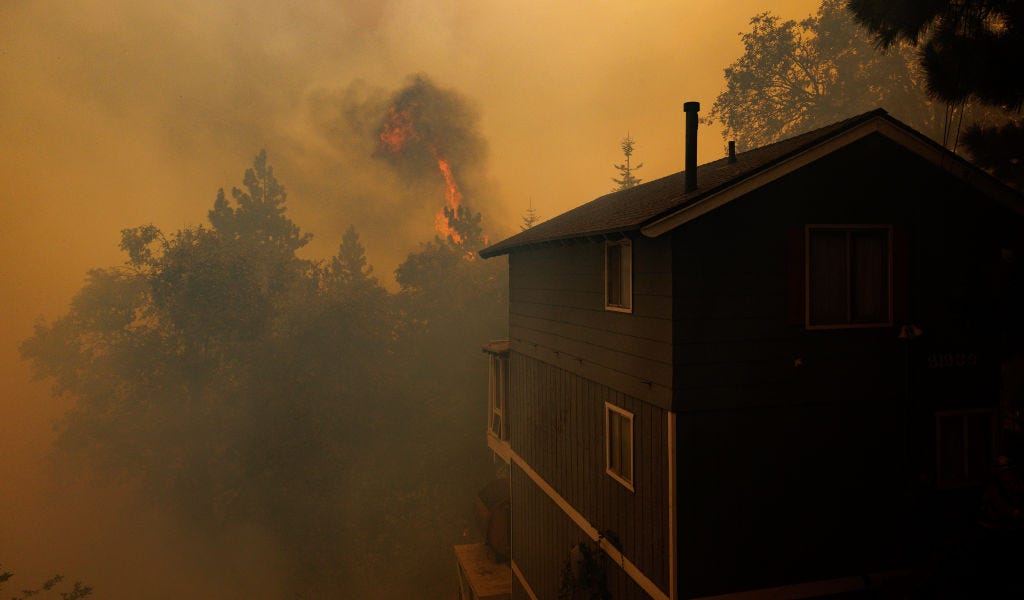
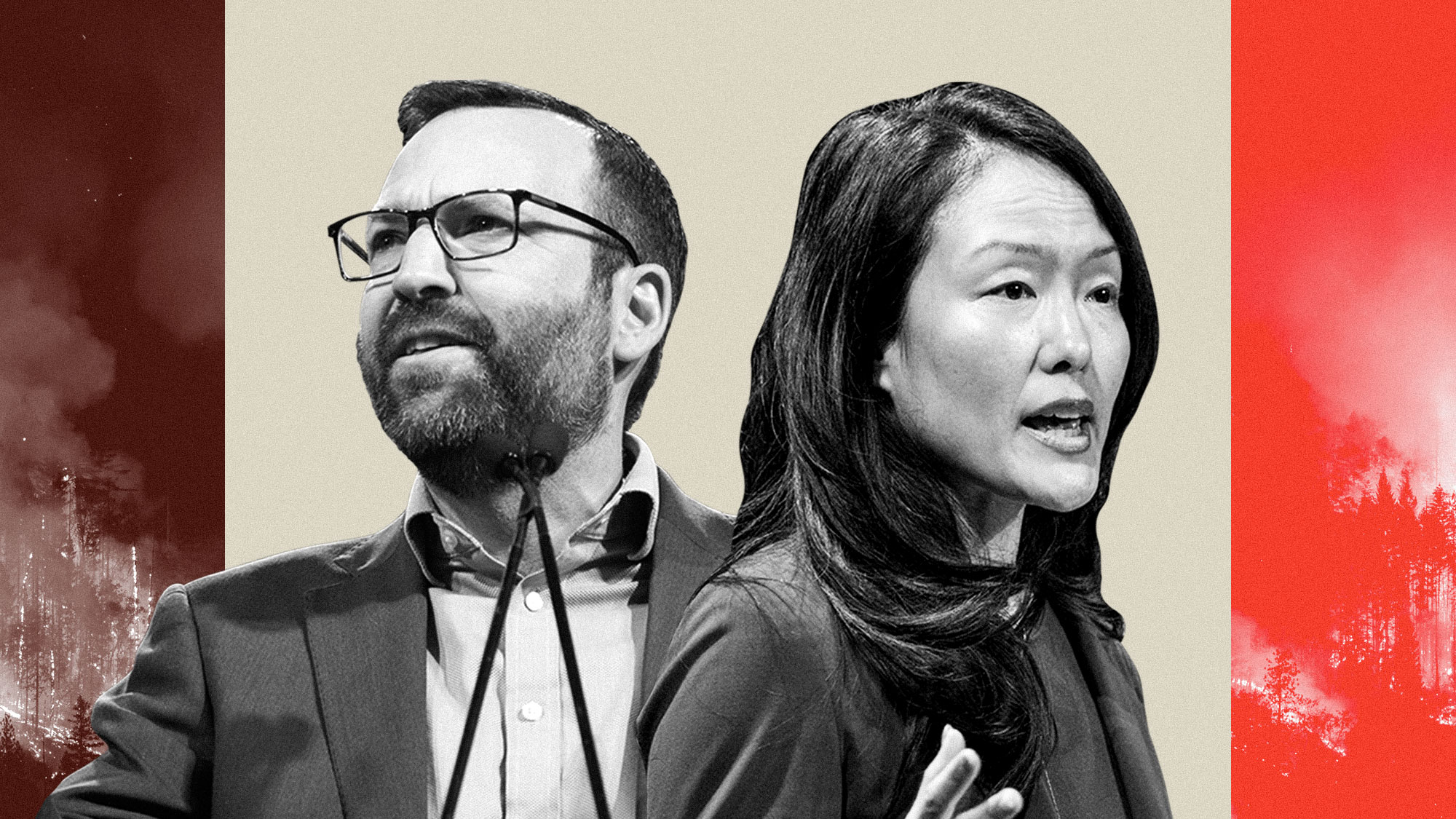
The intensifying Super El Niño is amplifying the risks of global climate disruption, with cascading effects on food systems, public health, and disaster preparedness. California, already battered by a decade of record wildfires, faces an inflection point as voters prepare to elect a new state insurance commissioner—a position that could determine whether private markets will play a greater role in climate adaptation. Meanwhile, a new investigation by Heated and Grist exposes the inadequacy of major tech companies’ climate commitments, with Microsoft, Google, and Amazon providing evasive answers about the environmental impact of their AI operations. Their sprawling data centers, often located in water-stressed regions, are exacerbating local shortages and fueling community resistance. The myth that improved “forest management” alone can solve the wildfire crisis has also been debunked, with experts emphasizing that only far-reaching emissions cuts and diversified adaptation strategies can address the underlying drivers of risk.
AUTHORITARIANISM, SURVEILLANCE, AND CIVIL RIGHTS
Civil liberties are under renewed assault across multiple fronts. In the United States, the EFF secured a key court victory against the “Catch and Revoke” mass surveillance program, which had been designed to chill online dissent by threatening millions with sudden loss of digital access. Yet, the threat of government overreach remains acute, particularly for marginalized communities. On the Arizona border, the Tohono O’odham Nation is facing intensified surveillance and intimidation as border wall construction advances, with masked agents and drones deployed against tribal residents. In the West Bank, Israeli forces raided several Palestinian NGOs, injuring a child and detaining a journalist in a move widely seen as an attempt to suppress civil society ahead of national elections. These incidents echo broader trends of authoritarian rhetoric and spectacle, with former President Trump’s violent speech and public events normalizing destructive behaviors and undermining democratic norms.
PANDEMIC RISKS
Kenya’s Ministry of Health has confirmed a second Ebola case in Nairobi, raising the specter of cross-border transmission and wider regional spread. The patient, a 39-year-old man and relative of the first case, is being treated in isolation. Health authorities are racing to trace contacts and contain the outbreak, but the risk of escalation remains high, especially if the virus reaches neighboring countries with weaker health infrastructure.
CONVERGENCE
The intersection of climate extremes, technological acceleration, and geopolitical conflict is creating a feedback loop that amplifies systemic risks. The Super El Niño’s climate shocks threaten food supplies and drive migration, increasing the burden on fragile states already destabilized by war, as in Yemen and Ukraine. The militarization of digital infrastructure—exemplified by the Starlink shutdown—shows how private tech actors now shape the operational environment of conflicts, blurring lines between commercial and state power. Meanwhile, the rapid, largely unregulated advance of AI is not only fueling existential risk scenarios but is also deepening inequalities and driving new forms of resource extraction, as in the Philippines and California. These overlapping crises strain institutions, erode public trust, and create openings for authoritarian moves, whether through surveillance, rhetorical incitement, or direct repression of civil society.
TRAJECTORY
Over the next 30 to 90 days, the trajectory of these risks will be shaped by a series of critical junctures. In California, the insurance commissioner election will determine the state’s approach to wildfire and climate adaptation. Kenya’s Ebola containment efforts face a narrow window to prevent a broader outbreak. The trial in Germany over Nord Stream sabotage will test the resilience of European alliances. Meanwhile, the ongoing AI race between the US and China is set to accelerate as OpenAI and Anthropic face legislative inquiries in Australia and elsewhere. The Super El Niño is projected to peak by late December, likely triggering new rounds of agricultural losses and climate-driven displacement. Without coordinated mitigation, the convergence of these threats will continue to erode the systems that underpin global security and human well-being.
Sources
- [1]Nuclear war, AI-enabled bioweapons could wipe out humanity by 2100: Lancet report
- [2]Superintelligence and the Triple Risk of an AI Race
- [4]Ukraine accuses Elon Musk’s SpaceX of throttling Starlink terminals
- [5]Saudi Arabia/Yemen: Civilians must not pay the price of escalation in hostilities
- [6]Germany puts Ukrainian on trial accused of blowing up Nord Stream pipelines
- [7]"Propaganda Show": IDF Raids Palestinian NGOs in the West Bank Ahead of Israeli Elections
- [9]America’s AI ambitions threaten Indigenous lands in the Philippines
- [10]AI Representations of Mental Health Stigma: Quantifying the Gap Between AI Estimations and Human Perceptions Across Gender Groups Using GPT-Based LLMs
- [11]Trump’s Use of Violent Speech and Spectacles Echoes the Autocrat’s Playbook
- [12]Yemen Plunges Back into "Full-Scale Civil War," Houthis Trade Strikes with Saudi Arabia
- [13]Super El Niño sets another record as it strengthens to 'unprecedented levels'
- [15]As Trump’s Wall Closes in, DHS Intimidates a Border Tribe With Surveillance, Masked Agents and Drones
- [18]The myth of “forest management”
- [21]We asked Big Tech about AI’s fossil fuel problem. The responses were atrocious.
- [22]Kenya’s Health Ministry confirms second Ebola case
- [23]🗣 A Victory for Freedom of Speech Online | EFFector 38.18
- [24]Ukrainian military’s access to Starlink satellite internet suddenly restricted